Source Sealed Maintenance Free Marine Battery for Boat, UPS, and EV
Find and compare 30 Sealed Maintenance Free Marine Battery options from China. Evaluate specifications like 12V and 6V ratings, CCA values, and JIS/DIN standards to select the right power solution for marine, UPS, and electric vehicle applications.
Key considerations
Products List


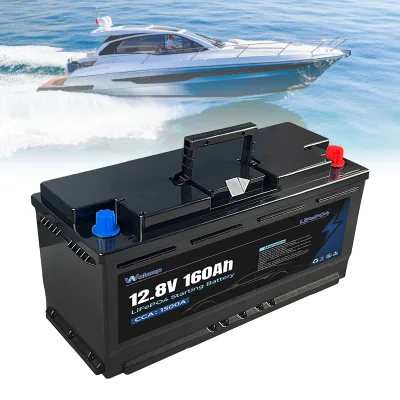
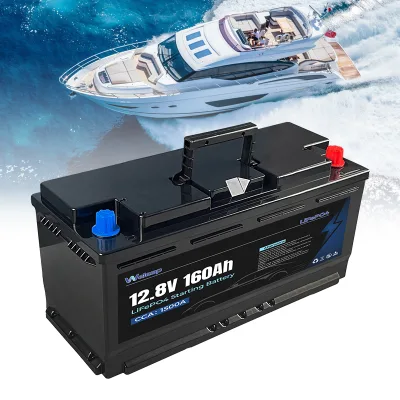

Maintenance Free N200 12V 200ah Marine Heavy Duty Batteries Truck Batteries
$85.90 - $105.36
MOQ: 30 Pieces

12V280ah High Quality Marine Battery Dry Charged Boat Battery Low Maintenance Free Battery
$115.20 - $129.00
MOQ: 50 Pieces

12V Deep Cycle Battery Motive Power Battery Marine Battery Boat Battery
$206.76 - $238.65
MOQ: 30 Pieces


12V 100ah 850CCA 31-850 Marine Battery Maintenance Free Commercial Vehicle Battery
$67.70 - $69.10
MOQ: 100 Pieces


Superior 12V125W Premium Grade Lead Acid Storage Battery for Marine Boat Application
$106.50 - $111.00
MOQ: 1 Pieces


Professional Lithium Ion Battery with Non-Toxic and Low Self-Discharge for Marine Use
$399.00 - $499.00
MOQ: 1 Pieces


1000Ah 2V OPzV sealed deep cycle marine battery For Control Engineering
$269.96 - $314.96
MOQ: 100 Pieces
Comprehensive Sourcing Guide
Sealed Maintenance Free Marine Battery Sourcing Guide
Procuring sealed maintenance-free marine batteries requires a disciplined approach to distinguishing between general lead-acid units and those specifically engineered for the harsh marine environment. The core of this sourcing strategy lies in verifying that the product attributes align with the demanding conditions of boat and marine applications, where vibration, humidity, and salt exposure are constant factors. Buyers must move beyond generic listings to identify units that explicitly state marine usage, possess the correct terminal configurations, and adhere to the specific standards required for maritime safety.
The market offers a diverse range of sealed lead-acid batteries, yet not all are suitable for marine deployment. Sourcing guides must focus on filtering for products that combine the "sealed" and "maintenance-free" attributes with a robust construction capable of handling the specific discharge rates and voltage requirements of marine systems. This involves cross-referencing observed product models and specifications against the intended application, ensuring that the battery's physical dimensions, weight, and capacity match the vessel's electrical architecture before committing to a purchase order.
Product Scope and Observed Listing Signals
The observed product landscape for sealed maintenance-free marine batteries reveals a significant variation in capacity, ranging from compact 6V units to larger 12V configurations with capacities up to 65Ah. Listings indicate that these products are often categorized under specific model numbers such as MF22FR-600, 24MR-800, and BCI27, each designed for distinct power needs. Buyers should note that while some units are marketed for general automotive or UPS use, others explicitly list applications for boats, electric vehicles, and golf carts, necessitating a careful review of the "Usage" field to confirm marine suitability.
Physical attributes observed in the market include a standard black appearance, though some listings mention red or grey options, and weights that vary significantly based on capacity, from approximately 0.69kg for smaller units to over 22kg for heavy-duty marine batteries. The packaging is typically standardized as cartons on pallets, with specific configurations like 10 pieces per box for smaller models, which impacts logistics planning. When evaluating listings, procurement teams must verify that the listed dimensions, such as 240173182mm or 259172202mm, correspond to the physical space available on the vessel to ensure a proper fit without requiring custom modifications.
Technical Specifications to Verify
Technical verification begins with the rated voltage and capacity, as marine systems often operate on 12V platforms but may require specific amp-hour ratings depending on the load profile. The observed data highlights capacities of 60Ah and 65Ah for 12V units, while smaller 6V models are also available for specialized applications. Buyers must confirm that the "Constant Current" charging type is supported by their vessel's charging system and that the "Wet Shelf Life" of 3 to 5 years aligns with their inventory turnover expectations, ensuring the battery remains viable during storage or seasonal deployment.
Critical performance metrics include the Cold Cranking Amps (CCA), with observed values ranging from 650 to 723 CCA, which directly impacts the battery's ability to start engines in cold marine environments. The terminal configuration is another vital specification, with some units featuring "Multi Purpose or Double Terminal" designs to accommodate various connection needs. Additionally, the discharge rate, often noted as "Low Discharge Rate" for deep-cycle applications, must be matched to the specific usage pattern, whether it involves starting an engine or powering lighting and electronics over extended periods.
Compliance and Safety Documentation
Compliance with international standards is non-negotiable for marine batteries, as these units must withstand the rigorous safety requirements of maritime transport and operation. The observed product data indicates adherence to major standards including JIS, DIN, IEC, and BCI, which are essential for ensuring the battery meets the structural and electrical safety norms expected in global markets. Buyers should request documentation proving that the specific model they are purchasing has been tested and certified against these standards, particularly the BCI standard which is widely recognized for automotive and marine battery performance.
Certification marks such as CE and ISO are frequently cited in product listings, serving as indicators of quality management and safety compliance. However, procurement teams must verify that these certifications are current and applicable to the specific product model, rather than relying on generic claims. The presence of "Sealed Mf Automotive Marine Battery" descriptions suggests a design that minimizes electrolyte leakage, a critical safety feature for marine environments, but this must be backed by official test reports confirming the integrity of the sealed case under vibration and pressure conditions.
Cost Drivers and Commercial Terms
The cost of sealed maintenance-free marine batteries is influenced by several factors, including capacity, weight, and the complexity of the terminal design. Observed price ranges in the market span from $2 to $659, reflecting the vast difference between small 6V units and large, high-capacity 12V batteries. Buyers should understand that higher prices often correlate with increased CCA ratings, larger physical dimensions, and more robust construction materials designed to resist corrosion and vibration, which are essential for long-term marine reliability.
Commercial terms such as Minimum Order Quantity (MOQ) and lead times are critical variables in the procurement process, with observed MOQs ranging from 1 piece to 1000 pieces. The flexibility of the MOQ can significantly impact the total cost of ownership, as smaller orders may incur higher per-unit costs or require special handling fees. Additionally, the origin of the product, primarily Guangdong, China, and the export markets served, such as the USA, can influence shipping costs and import duties, requiring buyers to factor these logistics expenses into their total budget before finalizing a supplier agreement.
Supplier Qualification and Quality Control
Supplier qualification for marine batteries requires a thorough assessment of their manufacturing capabilities and quality control processes. Buyers should prioritize suppliers who demonstrate a clear understanding of the specific requirements for marine applications, such as the ability to produce batteries with the "Fixed" installation type and the specific "Square Battery" shape observed in the market. It is essential to verify that the supplier has a track record of exporting to the intended destination market and can provide consistent product quality that meets the stated standards like JIS, DIN, and IEC.
Quality control measures should include rigorous testing of the battery's electrolyte, which is specified as "Acid" or "Acid Battery" in the product data, to ensure it meets the necessary purity and concentration levels. Suppliers must also demonstrate their ability to maintain the "Maintenance-free Type" integrity over the product's shelf life, preventing premature failure due to internal short circuits or electrolyte loss. Procurement teams should request samples for independent testing to verify the actual weight, dimensions, and performance metrics against the supplier's claims before committing to a large-scale order.
Long-Term Procurement Checks
Long-term procurement success depends on establishing a relationship with suppliers who can provide consistent support and product availability over time. Buyers should implement a system for tracking the performance of the batteries in actual marine conditions, monitoring for any deviations in capacity, voltage, or physical integrity that might indicate a quality issue. Regular audits of the supplier's production lines and quality assurance protocols can help ensure that the "Sealed Mf" characteristics remain consistent across different production batches, preventing unexpected failures in the field.
It is also crucial to maintain a clear record of the product specifications and certifications for each batch purchased, as these documents are often required for insurance and regulatory compliance in the marine industry. Buyers should verify that the supplier can provide updated documentation if standards or regulations change, ensuring that the fleet remains compliant with the latest safety requirements. By maintaining a proactive approach to supplier management and product verification, organizations can mitigate risks and ensure the reliability of their marine battery systems over the long term.
FAQs
What is the rated voltage of these sealed maintenance free marine batteries?
The rated voltage is 12V for the standard maintenance-free type. Some models offer a nominal voltage of 6V for specific low discharge rate applications. These acid battery units are designed for stable performance in marine and UPS environments. The wet shelf life ranges from 3 to 5 years, ensuring long-term reliability without frequent maintenance checks.
Can I customize the packaging for bulk orders of marine batteries?
Yes, customization is available for bulk procurement needs. Standard packing typically involves cartons followed by pallets for secure shipping. Some specific models may be packaged as 10 pieces per box. This flexible packaging approach ensures safe transit while allowing buyers to adjust quantities according to their logistical requirements and storage capabilities.
Which certifications do these sealed maintenance free marine batteries hold?
These batteries hold ISORoHS and CE certifications, ensuring compliance with international safety and environmental standards. They also adhere to JIS, DIN, IEC, and BCI standards. This multi-standard compliance supports their export to markets like the USA. The certifications verify the quality of the lead-acid technology used in these maintenance-free units.
What is the typical weight and capacity of a 12V marine battery?
A typical 12V model with 60Ah capacity weighs approximately 16.5kgs. Another variant with 65Ah capacity weighs 16.8kgs. These weights reflect the dense lead-acid construction required for high CCA ratings like 723CCA. The substantial weight ensures stability and power delivery for marine, RV, and electric vehicle applications.
How does the charging type affect the maintenance-free design?
The constant current charging type supports the maintenance-free design by preventing overcharging and sulfation. This charging method is compatible with the acid battery electrolyte system. It ensures the sealed lead-acid batteries remain chargeable and reliable over time. This feature eliminates the need for water top-ups, making them ideal for marine and UPS use.
What are the standard dimensions for these sealed maintenance free marine batteries?
Standard dimensions vary by model, with sizes like 240*173*182*203mm and 259*172*202*222mm. These dimensions accommodate different capacity requirements while fitting standard battery trays. The fixed installation type ensures secure placement in boats or vehicles. Buyers should verify specific model dimensions to ensure compatibility with their existing equipment or battery compartments.